Source Modern Waterproof Labradorite Marble Tiles for Bathrooms
Compare 30 listings for modern waterproof labradorite marble tiles suitable for bathroom walls, kitchen countertops, and commercial flooring. Evaluate specifications including thickness, surface finishes, and packaging options to find the right stone for your project needs; compare the available evidence and request quotations based on your requirements.
Key considerations
Products List







Comprehensive Sourcing Guide
Modern Waterproof Labradorite Marble Tiles Sourcing Guide
Procuring modern waterproof labradorite marble tiles requires a nuanced understanding of material properties, as true labradorite is a feldspar mineral rather than a marble. Buyers must distinguish between genuine labradorite, which exhibits a distinctive play of color known as labradorescence, and marketed alternatives that may use dyed or treated stones to mimic this effect. The term "waterproof" in natural stone contexts typically refers to surface sealing and impregnation rather than inherent impermeability, as natural stone remains porous. Understanding this distinction is critical for ensuring the selected material meets the aesthetic and functional requirements of the project without compromising long-term durability.
Sourcing decisions should be guided by the specific visual characteristics desired, such as the intensity of the blue-green flash or the base color of the stone. Since natural variations are inherent, buyers should request physical samples to verify color consistency and surface finish quality. It is also essential to confirm whether the supplier provides cut-to-size services or standard slab dimensions, as custom sizing can impact lead times and costs. Clear communication regarding the expected visual range helps manage expectations and ensures that the delivered product aligns with the design intent of the space.
Product Scope and Observed Listing Signals
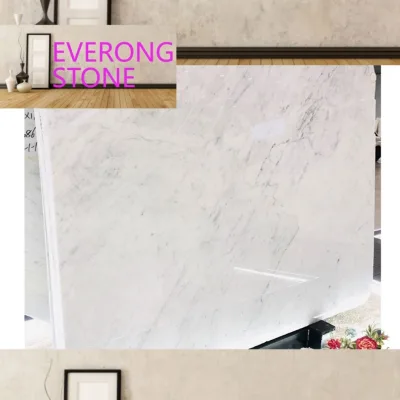
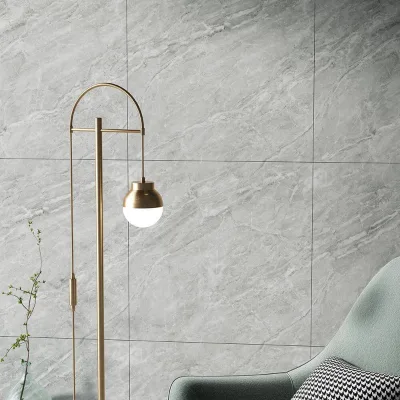
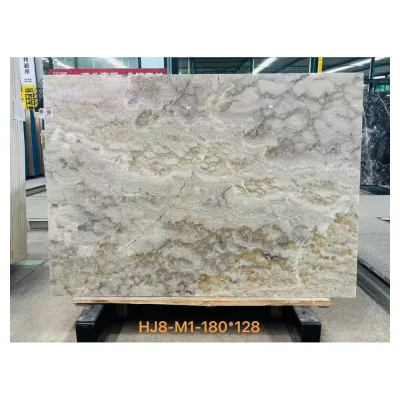
The observed market signals indicate a diverse range of stone products, including big slabs, tiles, and cut-to-size options, with thicknesses commonly ranging from 16mm to 20mm. While the core keyword specifies labradorite, the available data includes various stone types such as green marble, beige nature marble, and granite, suggesting that buyers must carefully filter listings to find genuine labradorite offerings. The presence of polished and eased edge processing options highlights the importance of verifying surface finishes, as these affect both the aesthetic appeal and the ease of installation. Buyers should look for listings that explicitly mention labradorite or similar feldspar varieties to avoid confusion with other stone types.
Packaging methods observed include wooden bundles, crates, and paper boxes with plastic and foam, indicating that proper protection during transit is a standard practice. The mention of fumigation and suitability for long sea freight suggests that international shipping is a common consideration for these products. Buyers should verify that the packaging is robust enough to prevent chipping or cracking, especially for thinner tiles or delicate finishes. Additionally, the availability of customization services implies that suppliers can accommodate specific project requirements, but this should be confirmed early in the sourcing process to avoid delays.
Technical Specifications to Verify
Thickness is a critical technical specification, with observed values ranging from 16mm to 20mm, which influences both the structural integrity and the installation method. Buyers must verify the exact thickness required for their application, as thinner tiles may require additional support or adhesive considerations. Density is another key factor, with granite densities observed between 2~3g/cm³, providing a benchmark for evaluating the weight and durability of the stone. For labradorite, which is a feldspar, density values may differ, so buyers should request specific technical data sheets to ensure the material meets the project's load-bearing and wear requirements.
Surface finish options such as polished, flamed, honed, and sandblast affect the stone's slip resistance and maintenance needs. Polished finishes offer a glossy appearance but may be slippery in wet areas, while honed or flamed finishes provide better traction. Edge processing options like eased, bullnose, ogee, and flat edges also impact the final look and installation complexity. Buyers should select finishes and edge profiles that align with the intended use, whether for floors, walls, or countertops, and verify that the supplier can consistently deliver the specified quality.
Compliance and Safety Documentation
Certification requirements vary by region and application, with CE and ISO standards commonly referenced for stone products in international markets. Buyers should verify that the supplier holds relevant certifications for quality management and environmental compliance, ensuring that the materials meet local regulatory requirements. Documentation such as test reports for slip resistance, water absorption, and compressive strength may be necessary for commercial projects, particularly in high-traffic areas like hotels or bathrooms. Requesting these documents early in the sourcing process helps avoid compliance issues and ensures that the selected materials are suitable for their intended use.
Safety considerations include the potential for formaldehyde or other chemicals used in sealing and finishing processes, especially for indoor applications. Buyers should inquire about the types of sealants and treatments used on the stone to ensure they are non-toxic and safe for residential or commercial environments. Additionally, verifying the origin of the stone and the manufacturing processes can provide insights into the ethical and environmental impact of the procurement. Clear documentation of these aspects helps build trust with end-users and ensures that the project meets sustainability goals.
Cost Drivers and Commercial Terms
Costs are influenced by factors such as stone type, thickness, surface finish, and customization requirements, with observed price ranges varying significantly based on these attributes. Buyers should request detailed quotes that break down costs for materials, processing, packaging, and shipping to understand the total landed cost. The availability of customization services may add to the price, but it can also reduce waste and installation costs by providing precisely sized pieces. Understanding these cost drivers helps buyers make informed decisions and negotiate better terms with suppliers.
Commercial terms such as MOQ, lead times, and payment conditions are critical for planning and budgeting. Observed MOQs range from 1 to 1000 units, indicating flexibility for both small and large orders. Buyers should clarify lead times for production and shipping, especially for custom orders, to ensure that the project timeline is met. Payment terms should be negotiated to balance risk and cash flow, with options such as letters of credit or escrow services providing additional security for international transactions.
Supplier Qualification and Quality Control
Supplier qualification involves assessing their experience, production capabilities, and quality control processes. Buyers should verify the supplier's track record in producing labradorite or similar stones, requesting references or case studies to evaluate their reliability. Quality control measures such as pre-shipment inspections, random sampling, and adherence to project-specific standards are essential for ensuring consistent product quality. Buyers should inquire about the supplier's defect rate and their process for handling non-conforming products to mitigate risks.
Communication and responsiveness are also key indicators of supplier reliability. Buyers should evaluate how quickly and clearly the supplier responds to inquiries, provides samples, and addresses concerns. A supplier that demonstrates transparency and professionalism is more likely to deliver a satisfactory outcome. Building a strong relationship with the supplier through regular communication and clear expectations can help prevent misunderstandings and ensure a smooth procurement process.
Long-Term Procurement Checks
Long-term procurement success depends on establishing ongoing quality monitoring and performance evaluation mechanisms. Buyers should implement regular inspections during production and upon delivery to ensure that the products meet the agreed-upon specifications. Feedback loops with the supplier can help identify and address any recurring issues, such as color variations or edge processing defects. Continuous improvement initiatives can lead to better product quality and more efficient supply chain operations over time.
Maintenance and care guidelines provided by the supplier are crucial for preserving the appearance and integrity of the stone. Buyers should ensure that they receive detailed instructions on cleaning, sealing, and repairing the tiles to extend their lifespan. Regular maintenance checks can help identify potential issues early, such as staining or cracking, and allow for timely intervention. By prioritizing long-term care and supplier collaboration, buyers can maximize the value and durability of their stone investments.
FAQs
What stone forms are available for these tiles?
The available stone forms include big slabs and tiles. These forms support various applications such as countertops, flooring, and wall cladding. The natural stone material allows for customization to meet specific project requirements. Buyers can select the form that best fits their design and structural needs for interior or exterior installations.
Can the tiles be customized for specific projects?
Yes, customization is available for these natural stone tiles. The products are produced according to specific project standards rather than fixed generic standards. This allows buyers to request particular sizes, finishes, or edge processing details. The service ensures that the final product aligns precisely with the architectural or design specifications of the intended installation site.
What surface finishes and edge processing options exist?
Surface finishes include polished, flamed, honed, and sandblast options. Edge processing choices feature eased, bullnose, ogee, DuPont, and laminated edges. These options allow for versatile aesthetic and functional outcomes. Buyers can select the finish and edge style that complements their design vision while ensuring durability and safety for high-traffic areas like kitchens or bathrooms.
How are the tiles packaged for shipping?
The tiles are packaged in wooden crates or bundles with plastic and foam protection. Some packages also include paper boxes for additional safety. This robust packaging ensures the stone remains secure during long sea freight journeys. The fumigation service is provided to meet international shipping standards, protecting the goods from pests and ensuring compliance with import regulations at the destination.
What thicknesses are offered for the stone tiles?
The stone tiles are available in thicknesses of 16mm, 18mm, and 20mm. These dimensions cater to different structural and aesthetic requirements for countertops, floors, and walls. The variety allows buyers to choose the optimal thickness for their specific application. Thicker slabs may be preferred for heavy-duty commercial use, while thinner options suit standard residential installations.
Which certifications apply to these stone products?
The products hold CE and ISO certifications. These certifications indicate compliance with relevant quality and safety standards for the stone industry. Buyers can rely on these credentials to verify the product's quality and suitability for international markets. The certifications support the product's credibility and ensure it meets the regulatory requirements for construction and interior design projects in various regions.